What Are Dermal (Skin) Fillers?
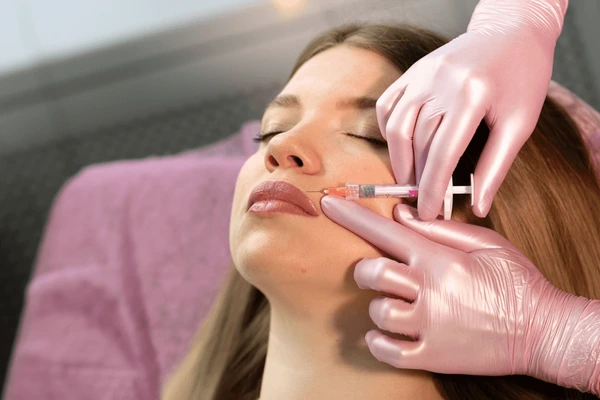
Dermal fillers, also known as skin fillers, are injectable substances used to improve the appearance of wrinkles, fine lines, and loss of facial volume. Healthy skin is supported by naturally occurring components such as collagen, elastin, and hyaluronic acid. These substances help maintain firmness, elasticity, and hydration of the skin.
With increasing age, the natural levels of these components gradually decrease. As a result, the skin may appear thinner, less firm, and more prone to wrinkles. Factors such as sun exposure, smoking, pollution, genetics, general health, and lifestyle habits can accelerate this process.
Dermal fillers are designed to temporarily replace or supplement these lost components, helping the skin appear smoother, fuller, and more youthful.
What is the cost of skin (dermal) fillers in Pakistan?
The cost of skin (dermal) fillers in Pakistan is between rupees 25,000 and 55,000 per 1 ml injection depending upon the type, quality and brand of the skin (dermal) filler. It also depends upon the quality and the qualification of the doctor who is injecting the filler. Less trained doctors charge less but you may have to pay more if a more experienced doctor injects the filler. Of course more qualified doctors are expensive but the quality of work done by them is also far better than a low quality doctor. Also, charges can be more if the filler is injected to lift your nose (non-surgical nose reshaping) or in the hands for hand beautification as it requires more skill, resources, time and the quantity of filler. In general the cost of skin (dermal) fillers in Pakistan is much lower than in the United States and European countries even if the the doctor with the exactly same qualifications as in the U.S., or Europe is injecting the filler in Pakistan.
Types of Dermal Fillers
Several types of dermal fillers are available, depending on their composition and intended use. The most commonly used fillers are based on hyaluronic acid, a substance naturally found in the human body.
Hyaluronic acid fillers are widely used because they are:
- Biocompatible
- Reversible in most cases
- Well tolerated by the body
These fillers are commonly used to soften facial lines, enhance lips, restore facial volume, and improve overall skin texture. Different formulations exist to address fine lines, deeper folds, or volume loss in specific areas.
What Is Botox and How Does It Work?
Botox is an injectable medication that works differently from dermal fillers. Instead of adding volume, Botox temporarily relaxes specific muscles responsible for dynamic wrinkles — wrinkles caused by repeated facial movements such as frowning, smiling, or squinting.
By reducing muscle activity, Botox helps soften the appearance of wrinkles on areas such as:
- Forehead
- Frown lines
- Crow’s feet around the eyes
The injections are performed using very fine needles and usually involve minimal discomfort.
Dermal Fillers vs Botox
| Dermal Fillers | Botox |
|---|---|
| Restore lost volume | Relax overactive muscles |
| Improve skin folds and contours | Reduce dynamic wrinkles |
| Hyaluronic acid-based (most common) | Neuromodulator medication |
| Results are immediate | Results develop gradually |
Both treatments are often combined to achieve balanced and natural-looking facial rejuvenation.
What Is the Treatment Process Like?
Both dermal filler and Botox treatments are typically performed as outpatient procedures and do not require hospital admission.
General Treatment Experience
- A consultation is carried out to assess suitability
- The treatment area is cleaned thoroughly
- A topical numbing cream may be applied if needed
- Injections are performed using fine needles
The procedure usually takes 15–30 minutes, depending on the areas treated. Mild swelling or redness may occur and generally subsides within a short period.
Expected Results and Duration
The effects of dermal fillers are usually visible immediately, while Botox results typically become noticeable within 3–7 days.
The duration of results varies depending on:
- Type of product used
- Treatment area
- Individual metabolism
On average:
- Hyaluronic acid fillers last 6–12 months
- Botox effects last 3–4 months
Repeat treatments may be required to maintain results.
Are There Permanent Fillers?
Some long-lasting or semi-permanent fillers exist, but they are used selectively. Permanent fillers are generally not recommended in routine aesthetic practice due to concerns about long-term safety and complications.
Semi-permanent fillers may last several years but should only be considered after thorough consultation with an experienced practitioner. Temporary hyaluronic acid fillers remain the preferred choice due to their strong safety profile and reversibility.
Safety Considerations
Dermal fillers and Botox are considered safe when administered by trained and qualified professionals. However, like any medical procedure, they carry potential risks, including swelling, bruising, or asymmetry.
A proper consultation helps determine the most appropriate treatment option based on individual needs and expectations.
Additional Medical Uses of Botox
Beyond cosmetic applications, Botox has established medical uses. By relaxing targeted muscles or glands, it may help manage certain medical conditions under professional care, such as:
- Excessive sweating (hyperhidrosis)
- Muscle spasticity
- Chronic migraine
These uses are determined by healthcare professionals and are separate from cosmetic treatments.
Final Thoughts
Dermal fillers and Botox are widely used non-surgical treatments that can improve facial appearance and skin quality when used appropriately. Understanding how these treatments work, their benefits, and their limitations is essential before considering any procedure.
All aesthetic treatments should be approached with realistic expectations and performed by qualified practitioners following proper medical guidelines.
SkinAera – A New Era of Skin Care & Aesthetic